Stylendesigns
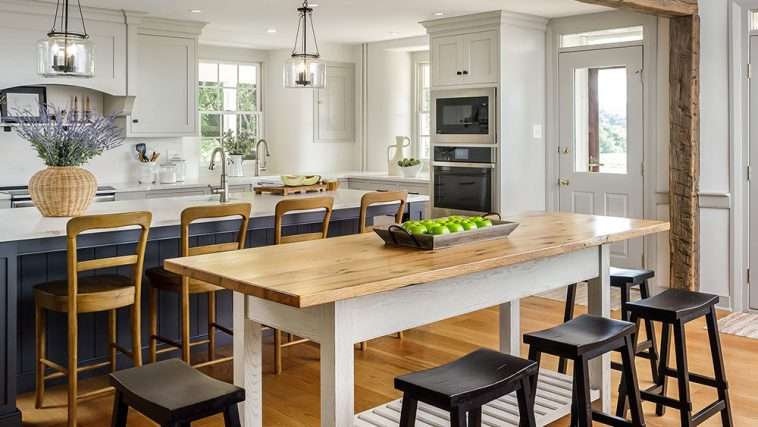
Luxury interiors often sit at the intersection of artistry, function, and personal expression. For homeowners planning major updates, one of the most important design questions is whether to prioritize timeless selections or embrace current trends. In reality, the strongest results usually come from understanding how both approaches work—and where each belongs within a home. That balance is especially important in luxury home renovations, where every material, finish, and layout decision can influence both long-term enjoyment and lasting value.

A timeless design approach focuses on elements that age gracefully. These choices tend to be grounded in proportion, craftsmanship, quality materials, and a restrained aesthetic. Natural stone, solid hardwood, custom millwork, warm neutral palettes, and classic architectural details often fall into this category. Timeless interiors usually feel refined without being tied too strongly to a specific year or social media moment. They are less likely to feel dated after only a few seasons, which is one reason they remain so popular in high-end remodeling.
Trend-driven design, on the other hand, reflects the tastes and influences of the current moment. It may include bold stone patterns, statement lighting, sculptural furniture, mixed metals, saturated color palettes, or highly specific stylistic influences that dominate design publications and digital platforms. Trends can bring freshness, personality, and visual energy to a space. They can also help a home feel current and expressive, especially when homeowners want their interiors to reflect evolving lifestyle preferences.
The challenge is that trends often move faster than renovation cycles. A wallpaper pattern, cabinet finish, or decorative detail that feels exciting today may feel overly specific in a few years. This does not mean trends should be avoided altogether. Instead, they should be used thoughtfully. In many luxury interiors, the most successful design strategy is to build a timeless foundation and layer in trend-driven accents where they can be changed more easily over time.
For example, permanent or high-investment features are often better approached with longevity in mind. Flooring, cabinetry, stone slabs, plumbing layouts, and built-in architectural elements are expensive and disruptive to replace. Choosing classic proportions, durable materials, and understated finishes for these core components can create a stable framework that continues to feel elegant over the long term. This foundation also provides flexibility, making it easier to refresh a room later without a full redesign.
Trends often work best in areas that are less permanent. Decorative lighting, paint colors, hardware, furniture, textiles, art, mirrors, and accent surfaces can all introduce a sense of immediacy without locking the home into a short-lived aesthetic. A powder room, bar area, or secondary living space may also be a smart place to experiment with more adventurous design choices. These smaller-scale moments can add character and individuality while keeping the overall home cohesive.
Another factor to consider is architecture. A trend that works beautifully in a modern urban penthouse may feel disconnected in a traditional estate or coastal residence. Timeless design tends to respond more naturally to a home’s structure, scale, and context. When renovation choices align with the architecture rather than competing with it, interiors often feel more authentic and complete. This is especially relevant in high-end homes, where continuity between original character and new updates is often part of the design goal.
Lifestyle should also shape the timeless-versus-trend conversation. Some homeowners prefer serene spaces that remain visually calm for many years. Others enjoy change and see their home as a more active form of creative expression. Neither preference is wrong. The key is recognizing how a design decision will function over time. A dramatic marble, dark lacquer cabinetry, or oversized pendant may be exactly right for one client and less suitable for another, depending on how they live and what kind of atmosphere they want to maintain.
Resale is another practical consideration. Homes with overly trend-specific interiors can sometimes feel less broadly appealing to future buyers, particularly when the finishes are highly personalized. Timeless interiors generally offer wider appeal because they create a sophisticated backdrop that many people can imagine themselves living in. In luxury markets, buyers often appreciate design that feels elevated but not overly dependent on a fleeting style movement.
Ultimately, timeless and trend-driven choices do not have to compete. They can complement each other when used with intention. A well-designed luxury renovation often relies on timeless structure, premium materials, and enduring craftsmanship, while using trends selectively to introduce character, modernity, and personal style. The goal is not to avoid what is current, but to distinguish between what is foundational and what is flexible.
When homeowners approach renovations with that mindset, the result is often a home that feels both relevant and lasting—beautiful in the present, but still compelling years from now.